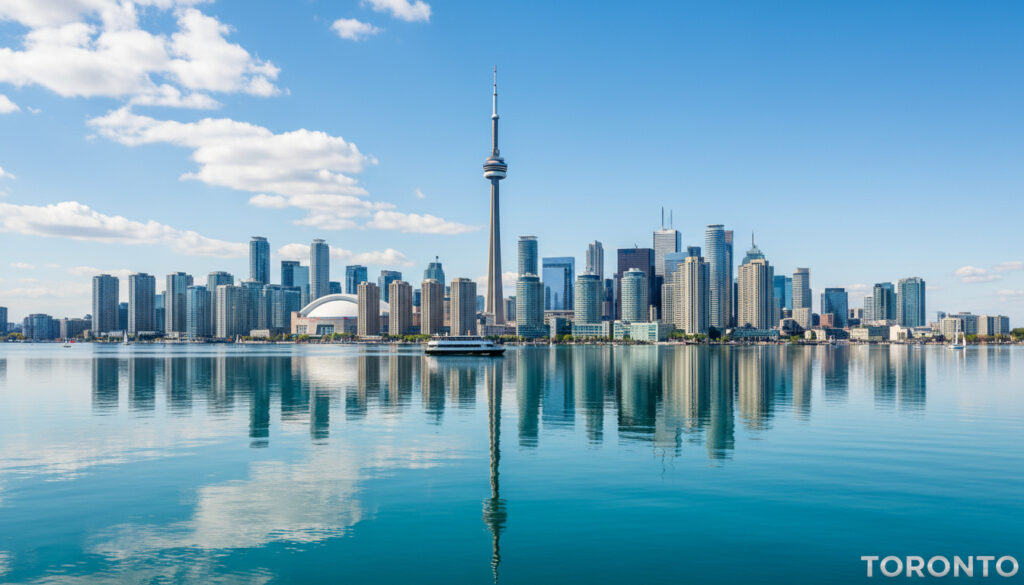
Places to Visit in Toronto – Top Attractions and Itineraries
Canada’s largest city presents a dense mosaic of cultural institutions, natural escapes, and architectural landmarks that reward exploration across multiple days. From the glass floors of the CN Tower to the Victorian cobblestones of the Distillery District, Toronto’s attractions reflect its history as a trading hub and its current status as one of North America’s most multicultural urban centers.
This guide examines the essential destinations, hidden corners, and practical considerations for navigating the city in 2025. Whether prioritizing family-friendly activities, budget-conscious wandering, or romantic evening spots, visitors face choices across sprawling neighborhoods connected by an extensive transit network.
What Are the Best Places to Visit in Toronto?
The city’s most recognized destinations cluster downtown and along the Lake Ontario waterfront, offering distinct experiences ranging from panoramic urban views to subterranean marine tunnels.
| Iconic Landmarks CN Tower, ROM |
Neighborhoods Distillery, Kensington |
Outdoor Spots High Park, Islands |
Cultural Hubs AGO, Casa Loma |
Key observations for itinerary planning:
- The CN Tower remains the most recognizable silhouette on the skyline, visible from numerous vantage points across the city.
- Major museums including the Royal Ontario Museum and Art Gallery of Ontario cluster near subway lines for efficient transit access.
- The Distillery District maintains a pedestrian-only policy throughout its Victorian-era cobblestone streets.
- Toronto Islands require dedicated ferry transit planning separate from standard TTC routes.
- High Park operates year-round, with specific seasonal attractions such as cherry blossoms drawing peak visitation.
- St. Lawrence Market anchors the historic food culture in a 19th-century building.
- Most paid attractions fall within the $20-40 CAD range for adult admission.
| Attraction | Location | Time Needed | Cost | Best For |
|---|---|---|---|---|
| CN Tower | Downtown Core | 2-3 hours | ~$20-40 CAD | Panoramic Views |
| Royal Ontario Museum | University District | 3-4 hours | ~$20-40 CAD | Dinosaurs/Cultures |
| Casa Loma | Midtown | 2-3 hours | ~$20-40 CAD | Gothic Architecture |
| Ripley’s Aquarium | Downtown Core | 2 hours | ~$20-40 CAD | Marine Life |
| Art Gallery of Ontario | Downtown | 2-3 hours | ~$20-40 CAD | Canadian Art |
| Toronto Islands | Ferry Access | Half day | $8-15 CAD ferry | Beaches/Picnics |
| High Park | West End | 2-4 hours | Free | Nature/Cherry Blossoms |
| Distillery District | East Downtown | 2 hours | Free | Victorian Architecture |
| St. Lawrence Market | Old Town | 1-2 hours | Free entry | Food/History |
| Toronto Zoo | Scarborough | Full day | ~$30-40 CAD | Wildlife |
Free and Family-Friendly Places to Visit in Toronto
The city maintains substantial offerings for visitors managing travel budgets or traveling with children, balancing expensive iconic attractions with no-cost public spaces.
No-Cost Discoveries
Allan Gardens operates as a Victorian-era greenhouse housing orchids, cacti, and koi ponds without admission charges. The Toronto Music Garden on the waterfront interprets Bach compositions through landscaped meadows and winding streams. Graffiti Alley presents concentrated street art between Portland and Spadina streets, while High Park provides 400 acres of nature trails and free zoo access. Scarborough Bluffs and Guild Park offer dramatic Lake Ontario cliff views and preserved architectural fragments.
Activities for Young Travelers
Families navigate interactive exhibits at Ripley’s Aquarium, which houses over 16,000 aquatic animals including shark tunnel passages. Casa Loma engages children with secret tunnel explorations and castle architecture. The Toronto Zoo and High Park’s smaller zoo provide animal encounters, while the Royal Ontario Museum balances dinosaur skeletons with cultural artifacts. Canada’s Wonderland operates as a dedicated theme park outside the downtown core.
Doors Open Toronto on May 24-25, 2025, provides complimentary access to over 150 sites typically requiring admission, including heritage buildings and architectural landmarks. Source
Best Neighborhoods to Explore in Toronto
Distinct character defines the city’s discrete districts, each preserving specific historical periods or cultural communities.
Distillery District
This pedestrian-only precinct preserves Victorian industrial architecture among cobblestone streets lined with galleries, boutiques, and restaurants. The area hosts seasonal festivals and maintains its prohibition-era aesthetic through strict heritage preservation.
Kensington Market
An eclectic bohemian enclave featuring street art, vintage clothing vendors, and multicultural food shops. The neighborhood operates as a pedestrian-friendly zone on designated days, with buildings covered in murals and graffiti.
St. Lawrence Market Area
Centered on the 19th-century South Market building, this district maintains continuous operation as a food trading hub since 1803. Surrounding streets feature historic architecture and the adjacent North Market’s weekend antique sales.
Planning Your Toronto Trip: How Many Days and Itineraries
Efficient routing requires understanding the spatial distribution of major sites and the transit connections linking them.
Single-Day Concentration
A downtown circuit accommodates the CN Tower, Ripley’s Aquarium, St. Lawrence Market, and the Distillery District within walking distance or short streetcar rides. This concentration allows visitors to experience architectural landmarks and culinary traditions without extensive travel time.
Multi-Day Exploration
Three-day itineraries incorporate the Royal Ontario Museum, Art Gallery of Ontario, and a ferry excursion to Toronto Islands. Five-day visits expand to include Casa Loma, High Park, and the Toronto Zoo in Scarborough.
The TTC connects major attractions via subway, streetcars, and buses. The Toronto Islands require a ferry ride separate from standard transit passes. Source
While CN Tower, Ripley’s Aquarium, ROM, and Casa Loma feature elevators and ramps, visitors should verify specific accessibility requirements directly with official sites before arrival. Source
When to Visit: Seasonal and Nighttime Spots
Temporal factors significantly influence the availability and atmosphere of specific attractions. For those interested in employment opportunities, Treballar a Real Canadian Superstore provides details on working at Real Canadian Superstore.
- Winter Indoor Season: December through February shifts focus to ROM, AGO, and Ripley’s Aquarium as outdoor spaces become less accessible. Source
- Doors Open Toronto 2025: May 24-25 marks the annual event offering access to 150+ sites including the YZD Experience Centre and The Bentway. Source
- Summer Island Access: Peak ferry service to Toronto Islands runs June through August, providing beaches and skyline photography opportunities. Source
- Nighttime Illumination: The Toronto Sign at Nathan Phillips Square and CN Tower operate evening programs year-round, while the Distillery District maintains restaurant and brewery service after dark. Source
- Evening Romance: Sunset ferry rides to Toronto Islands, Casa Loma gardens, and Distillery District dinners provide specialized nighttime experiences. Source
What Information Is Verified and What Remains Uncertain
| Established Information | Information Requiring Confirmation |
|---|---|
| CN Tower, ROM, and Casa Loma charge entry fees roughly between $20-40 CAD. Source | Specific seasonal hours for High Park trails during extreme weather events. |
| Doors Open Toronto 2025 confirmed for May 24-25. Source | Temporary exhibit dates at AGO and ROM beyond current listings. |
| TTC operates extensive subway, streetcar, and bus networks. Source | Exact ferry schedules to Toronto Islands during off-peak months. |
| Free access available at Allan Gardens, High Park, and Graffiti Alley. Source | Annual cherry blossom peak dates at High Park. |
Understanding Toronto’s Urban Context
Toronto’s geography along Lake Ontario’s northwestern shore determined its development as a Great Lakes trading post, subsequently expanding inland through distinct neighborhood formations. The city’s current urban fabric reflects successive waves of immigration that established ethnic enclaves later evolving into multicultural commercial districts like Kensington Market.
Unlike the mountainous terrain associated with the Mount Royal Hotel Banff region, Toronto’s flat topography facilitated extensive streetcar networks and high-rise development. Investigative matters such as the FBI Most Wanted Ryan Wedding case represent exceptional criminal justice scenarios rather than typical urban safety concerns for visitors.
The 2025 tourism infrastructure emphasizes accessibility improvements across major attractions while maintaining heritage preservation standards in designated historic districts.
Sources and Perspectives
Official tourism organizations and established travel publishers provide the primary documentation for current conditions and operational status.
The Distillery District offers pedestrian-only cobblestone streets surrounded by Victorian industrial architecture.
— Destination Toronto
Families favor Ripley’s Aquarium for interactive marine exhibits and Casa Loma for castle exploration.
— Gateway Travel
Final Recommendations for Toronto Visitors
Visitors should prioritize the CN Tower and Royal Ontario Museum for iconic experiences, while allowing time for neighborhood exploration in Kensington Market and the Distillery District. Budget-conscious travelers can balance paid admissions with free attractions like Allan Gardens and High Park, while families benefit from the concentrated marine exhibits at Ripley’s Aquarium and the accessible grounds of Casa Loma.
Frequently Asked Questions
Is Toronto worth visiting?
With over 16,000 aquatic animals at Ripley’s Aquarium, 90,000+ art works at the AGO, and free public gardens like Allan Gardens, the city offers density of experience that justifies the trip for culture and nature enthusiasts.
What are the best places to visit in Toronto in winter?
Indoor attractions dominate winter itineraries, including the CN Tower for night views, the Royal Ontario Museum, the Art Gallery of Ontario, and Ripley’s Aquarium. High Park remains accessible for winter trail walking.
What day trips work from Toronto?
Niagara Falls sits within driving distance for road trips, while the Toronto Islands and Scarborough Bluffs provide shorter excursions via ferry or eastbound transit.
How accessible are major attractions?
CN Tower, Ripley’s Aquarium, Royal Ontario Museum, and Casa Loma maintain elevators and ramps, though visitors should verify specific requirements through official channels before visiting.
What neighborhoods offer the most distinct character?
Kensington Market provides bohemian street art and multicultural commerce, while the Distillery District showcases preserved Victorian industrial architecture with galleries and eateries.
How many days do you need to visit Toronto?
A single day covers downtown core attractions, three days allows for museums and Toronto Islands, while five days incorporates outlying destinations like the Toronto Zoo and Scarborough Bluffs.
More related posts
 How Much Is an Ounce of Gold – Live Spot Price Today
 Can Dogs Eat Spinach – Benefits, Risks and Feeding Guide
 Shannon Falls Provincial Park – Hiking Trails Parking Guide
 FBI Most Wanted Ryan Wedding – From Olympic Snowboarder to Cartel Leader
 Homemade Fruit Fly Trap: Best DIY Recipes That Work
 Days of Our Lives Spoilers: Next Week, 2-4 Weeks Ahead
 6 Feet to CM: 182.88 cm Exact Conversion Guide
 BMO Business Online Banking: Login, Register, App Guide