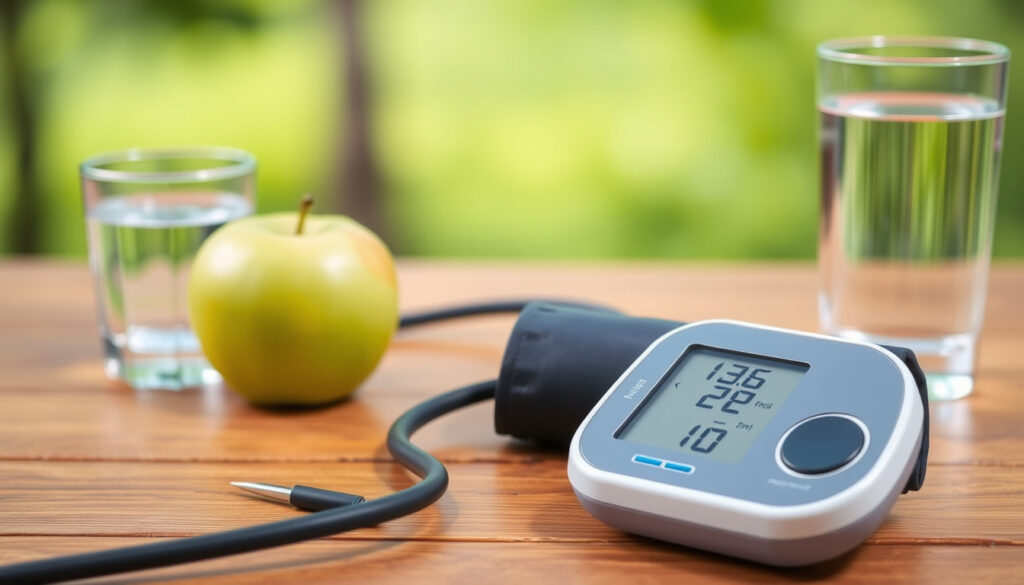
Blood Pressure: Normal Ranges, Symptoms, and Lowering Tips
If you’ve ever watched the cuff inflate at the doctor’s office, you know that feeling of waiting for those two numbers to settle. What they actually mean isn’t always obvious — but your blood pressure reading is one of the most direct insights into your heart’s workload. This guide lays out normal ranges, symptoms of high blood pressure, and practical ways to lower it, backed by Irish health authorities and international heart research.
Normal blood pressure range: 90/60 mmHg to 120/80 mmHg ·
High blood pressure threshold: 140/90 mmHg or higher ·
Stroke-level systolic: 180 mmHg or higher ·
Adults with hypertension globally: 1.28 billion (WHO) ·
Seniors (over 80) target: Below 150/90 mmHg
Quick snapshot
- Normal blood pressure is below 120/80 mmHg (HSE (Ireland’s health authority))
- 140/90 mmHg or higher is hypertension (HSE)
- Systolic 180+ is a stroke-level emergency (American Heart Association)
- Lifestyle changes can lower blood pressure naturally (HSE)
- Exact percentage of people who can reduce BP without medication is debated
- Optimal blood pressure for very old adults (over 85) still under study
- 2017 AHA/ACC guideline lowered the hypertension diagnosis threshold to 130/80 mmHg, shifting how millions are classified (Harvard Health (Harvard Medical School publisher))
- Lifestyle changes (diet, exercise, stress management) remain first-line strategy, with medication if needed (HSE)
The pattern is clear: Irish and international thresholds align on core definitions, though treatment targets vary slightly for older adults.
| Metric | Value |
|---|---|
| Normal range | 90/60 to 120/80 mmHg |
| Hypertension threshold | 140/90 mmHg or higher |
| Stroke-level systolic | 180 mmHg or above |
| Adults affected globally | 1.28 billion (WHO 2023) |
| Seniors over 80 target | Below 150/90 mmHg |
What is a normal blood pressure?
Understanding systolic and diastolic numbers
- Systolic (top number) measures pressure when your heart beats.
- Diastolic (bottom number) measures pressure between beats.
The HSE (Ireland’s public health authority) describes ideal blood pressure as usually between 90/60 mmHg and 120/80 mmHg. The American Heart Association (non-profit cardiovascular authority) says normal is below 120/80. The NHLBI (U.S. National Institutes of Health) agrees: healthy systolic under 120, diastolic under 80.
A reading of 120/80 is normal but sits right on the upper edge. Anyone with a sustained reading above that should begin monitoring more closely.
Blood pressure chart: normal, elevated, high
- Normal: Below 120/80 mmHg
- Elevated: Systolic 120-129, diastolic below 80 (American Heart Association)
- High (hypertension): 140/90 or higher (HSE) or 130/80+ (AHA)
- Stroke-level: Systolic 180 or higher
The Irish classification (HSE) uses 140/90 as the hypertension threshold, while the AHA sets it at 130/80. This difference means some people classified as “elevated” by U.S. standards fall within “normal” in Ireland — a nuance anyone comparing advice online should keep in mind.
Why this matters: If you’re in Ireland, follow the HSE’s 140/90 threshold for diagnosis, but be aware that the evidence base supporting the AHA’s lower target is solid — your doctor may still recommend lifestyle changes even if your reading is 135/85.
What is normal blood pressure by age?
Blood pressure ranges for children and teens
Children’s normal blood pressure varies by age, height, and sex. The NHLBI (U.S. government research institute) provides percentile-based charts. A general rule: for children, normal systolic is typically around 90-110 for younger ages, rising to 110-120 for teens. Diastolic stays under 80.
Normal blood pressure for adults 18-65
For adults, the guideline is consistent: below 120/80 is normal regardless of age, according to the American Heart Association (global cardiovascular authority). The CDC (U.S. public health agency) also uses <120/80. A study on Irish hypertensive patients (PMC/NIH) defined control as <140/90 for non-diabetic and <130/80 for diabetic patients, reflecting local practice.
What is the new normal blood pressure for seniors?
The HSE (Ireland’s health service) sets a higher target for people over 80: below 150/90 mmHg (or 145/85 at home). This is because overly aggressive lowering in older adults can cause dizziness and falls. The American Heart Association also recommends a slightly relaxed target for the very old.
The trade-off: Seniors benefit from lower blood pressure but risk orthostatic hypotension. The HSE’s 150/90 target balances stroke prevention with safety.
What are the top 10 symptoms of high blood pressure?
Silent signs: why hypertension is called the silent killer
- Most people with high blood pressure have no symptoms — that’s why routine checks matter.
- Severe symptoms may include severe headache, chest pain, vision changes (American Heart Association).
- Other possible signs: shortness of breath, nosebleeds, dizziness, facial flushing.
The CDC (U.S. public health agency) emphasises that relying on symptoms is dangerous — the absence of discomfort does not mean the absence of damage.
Almost half of adults with hypertension don’t know they have it. Regular monitoring — at home or at the pharmacy — is the only way to catch it early.
When to seek emergency care: stroke-level blood pressure
If your systolic reading reaches 180 mmHg or higher, the American Heart Association advises seeking emergency medical help. In Ireland, call 112 or 999 immediately. Symptoms may include a severe headache (often described as the worst ever), confusion, chest pain, or vision loss.
How to reduce blood pressure quickly?
Immediate lifestyle changes: breathe, walk, hydrate
- Deep breathing for 5 minutes can lower systolic by 2-5 mmHg (Dublin Health Screening (Irish private health clinic)).
- Regular physical activity — at least 30 minutes, 5 days per week — can reduce systolic by 2-10 mmHg (Dublin Health Screening).
- Reducing heavy alcohol intake to recommended limits can lower systolic by up to 10 mmHg (Dublin Health Screening).
The HSE says lifestyle changes are the first step; medication is added if targets aren’t met.
What drink quickly lowers blood pressure?
Beetroot juice may reduce blood pressure within 1-2 hours due to dietary nitrates that relax blood vessels. The American Heart Association notes that while promising, it’s not a substitute for medication. Water helps hydration but isn’t a rapid fix for chronic hypertension. Hibiscus tea is another option with modest evidence.
The fastest thing to lower blood pressure naturally
- Deep breathing exercises (5 minutes, slow exhales) — immediate but small effect.
- Moving away from stress triggers — a short walk or changing environment can drop systolic by 5-10 points.
- Hydration — if dehydrated, drinking water helps within 30 minutes.
None of these replace long-term management. The HSE recommends combining these with sustained changes in diet and activity for lasting results.
What are the 5 worst foods for high blood pressure?
Salt and processed foods
- High sodium intake raises blood pressure; limit to 2300 mg/day (American Heart Association).
- Processed meats like bacon and deli meats are extremely high in sodium.
- Canned soups, stock cubes, and ready meals are hidden sodium sources.
Sugary drinks and alcohol
- Sugary beverages contribute to weight gain and hypertension (CDC).
- Excessive alcohol intake raises blood pressure; the Dublin Health Screening notes cutting back can reduce systolic by up to 10 mmHg.
Red meat and saturated fats
- Diets high in red and processed meats are linked to higher blood pressure.
- Substitute with poultry, fish, beans, and lentils.
- The DASH diet (rich in fruits, vegetables, whole grains) is consistently shown to lower BP.
The pattern: If it comes in a packet, check the sodium label. Most of the salt in our diets comes from processed foods, not the shaker.
- Monitor at home. Use a validated home monitor. Take readings at the same time each day. Record readings to share with your GP. The HSE recommends home monitoring for accurate tracking.
- Adjust your diet. Follow the DASH diet: increase fruits, vegetables, low-fat dairy; reduce saturated fat and sodium. Limit salt to 1 teaspoon (2300 mg) per day. Include potassium-rich foods like bananas, sweet potatoes, and spinach.
- Get moving. Aim for 150 minutes of moderate activity per week (brisk walking, cycling, swimming). Activity can lower systolic by 2-10 mmHg (Dublin Health Screening).
- Manage stress and limit alcohol. Practice deep breathing or mindfulness. Alcohol: men < 17 units, women < 11 units per week. Quitting smoking improves vascular health immediately.
- Work with your doctor. If lifestyle changes aren’t enough, medication may be needed. The HSE provides clear guidance on when to start treatment.
Clarity check: confirmed vs. unclear
Confirmed facts
- Normal blood pressure is below 120/80 mmHg (HSE)
- 140/90 or higher is hypertension (HSE)
- Systolic 180+ is a stroke-level emergency (AHA)
- Lifestyle changes can lower BP naturally (HSE)
- Global hypertension affects 1.28 billion adults (WHO)
What remains unclear
- Exact percentage of people who can normalise BP without medication remains debated
- Optimal target for adults over 85 is still under investigation
- Long-term effects of very low diastolic pressure (below 60) are not fully settled
Perspectives from health authorities
“Normal blood pressure is below 120/80 mmHg. Elevated blood pressure is 120-129 systolic and less than 80 diastolic.”
— American Heart Association (cardiology authority)
“Ideal blood pressure is usually between 90/60 mmHg and 120/80 mmHg. High blood pressure is 140/90 mmHg or higher.”
— HSE (Ireland’s health service)
“High blood pressure is a major cause of premature death worldwide.”
Summary
Blood pressure management is a lifelong practice that starts with knowing your numbers. The evidence is clear: normal is under 120/80, hypertension kicks in at 140/90 (or 130/80 by U.S. standards), and stroke-level is 180 systolic. Lifestyle changes — diet, exercise, stress control — are the foundation, and medication is a safe and effective addition when needed. For Irish adults, the HSE’s guidance provides a practical country-specific framework, but the universal lesson is the same: monitor, act early, and stay consistent. For anyone over 40 in Ireland, the choice is clear: schedule a blood pressure check at your GP or a pharmacy today, or risk discovering hypertension through a more serious event.
ipu.ie, healthhero.ie, ncbi.nlm.nih.gov, heartfoundation.org.au, heart.org
Frequently asked questions
What is a normal blood pressure reading for adults?
Normal is below 120/80 mmHg. The HSE says ideal is between 90/60 and 120/80.
Can stress cause high blood pressure temporarily?
Yes, acute stress can raise systolic by 10-20 mmHg temporarily. Chronic stress contributes to long-term hypertension.
Is 120/80 blood pressure good?
120/80 is the upper limit of normal. It’s not dangerous, but it’s a signal to maintain healthy habits.
What should I do if my blood pressure is 150/90?
This is stage 2 hypertension. Contact your GP. Lifestyle changes and likely medication are recommended per HSE guidelines.
Does drinking water lower blood pressure?
Drinking water helps if you’re dehydrated, but it’s not a treatment for chronic hypertension.
How often should I check my blood pressure?
At least once a year for adults. If you have hypertension or are at risk, check at home weekly.
What drink quickly lowers blood pressure?
Beetroot juice can lower BP within 1-2 hours due to nitrates. Hibiscus tea also shows modest effects.
More related posts
 TD Credit Card Customer Service: Phone, Hours & Contact
 Debbie Reynolds: Life, Death & Legacy with Carrie Fisher
 How to Start a Business – Step-by-Step 2025 Guide
 Dwight Howard’s Children, Baby Mamas, Retirement & More
 Nintendo Switch Pre Orders – Prices, Retailers, Release Date
 Days of Our Lives Spoilers: Next Week, 2-4 Weeks Ahead
 Jeff Goldblum: Biography, Height, Net Worth, and Family
 Slash GNR: Health Issues, Sobriety & Axl Rose Feud